Domestic commodity futures | 2010-01-04 to 2022-02-28
Commodity Factor Replication
A public replication framework for testing whether commodity term structure, trend, inventory, position, and volatility signals retain cross-sectional information after a liquid, changing trading universe is imposed.
Aggregate evidence only. No raw data, private database, credentials, or licensed source report is published.
- 01 Licensed market inputs
- 02 Dynamic tradable universe
- 03 Five factor families
- 04 Friday quintiles
- 05 Next-period returns and IC
Research design
Dynamic universe, weekly decision rule
A product enters only after its listing-age and rolling-liquidity rules are met. The daily main and sub-main contracts are approximated by the two highest-volume listed contracts. Friday snapshots form the cross-section.
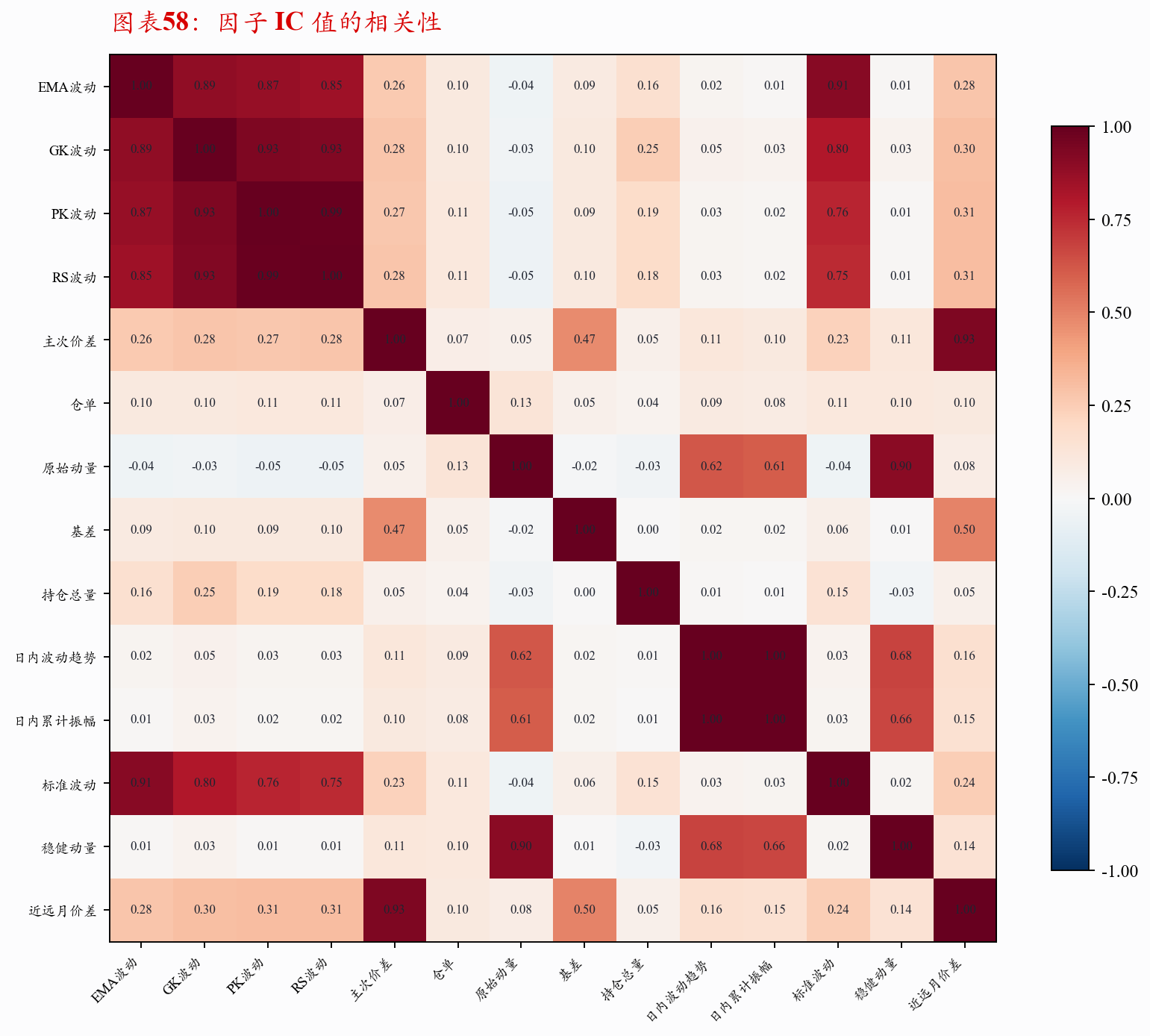
Signals are sorted into five balanced groups. The portfolio begins earning returns on the next trading date, and the long-short return is half of Group 1 minus Group 5. Weekly IC is Spearman correlation between Friday signals and the next holding-period return.
Read methodology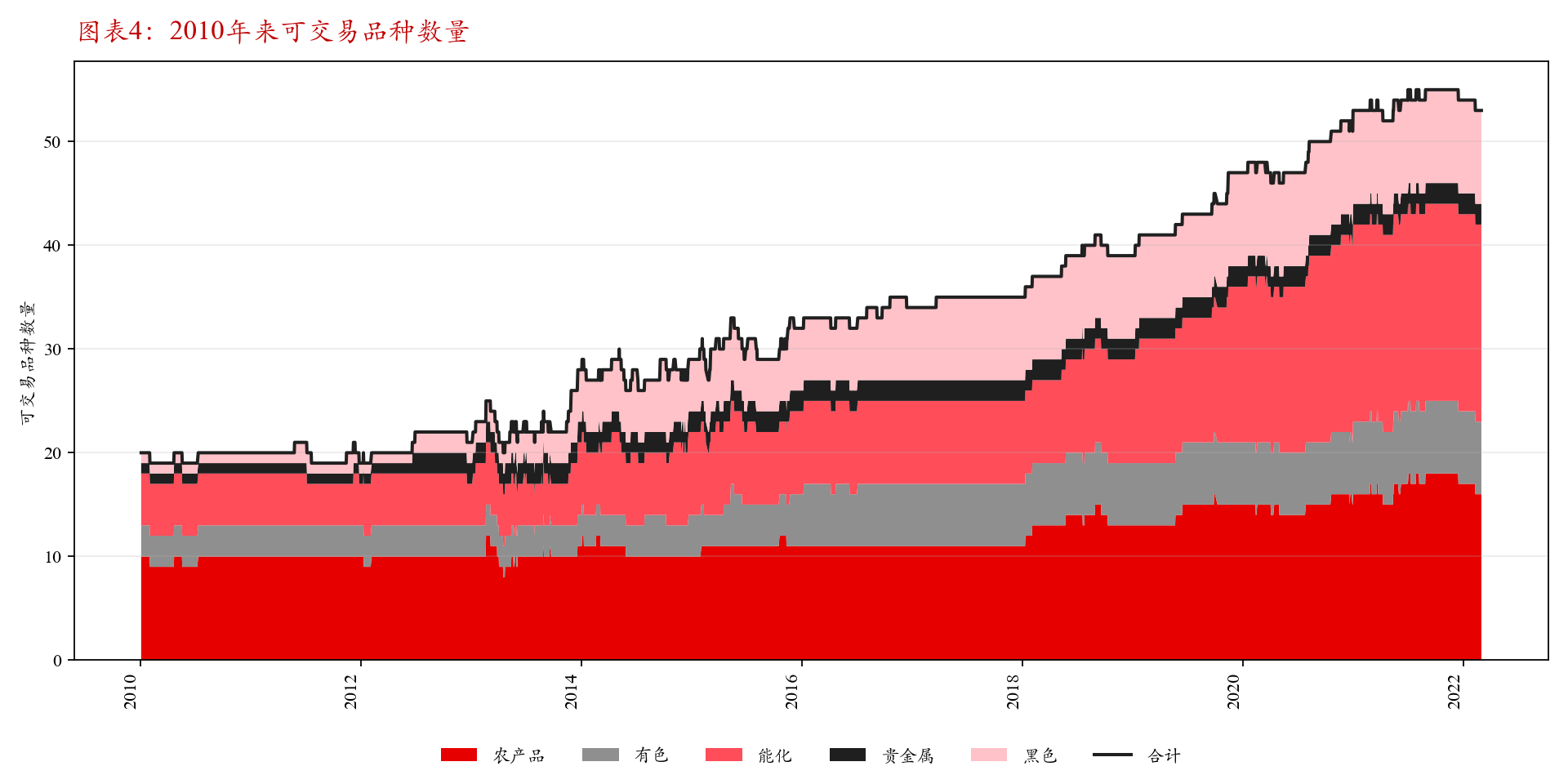
Curated results
Evidence across factor families
| Strategy | Return | Volatility | Max drawdown | Sharpe |
|---|---|---|---|---|
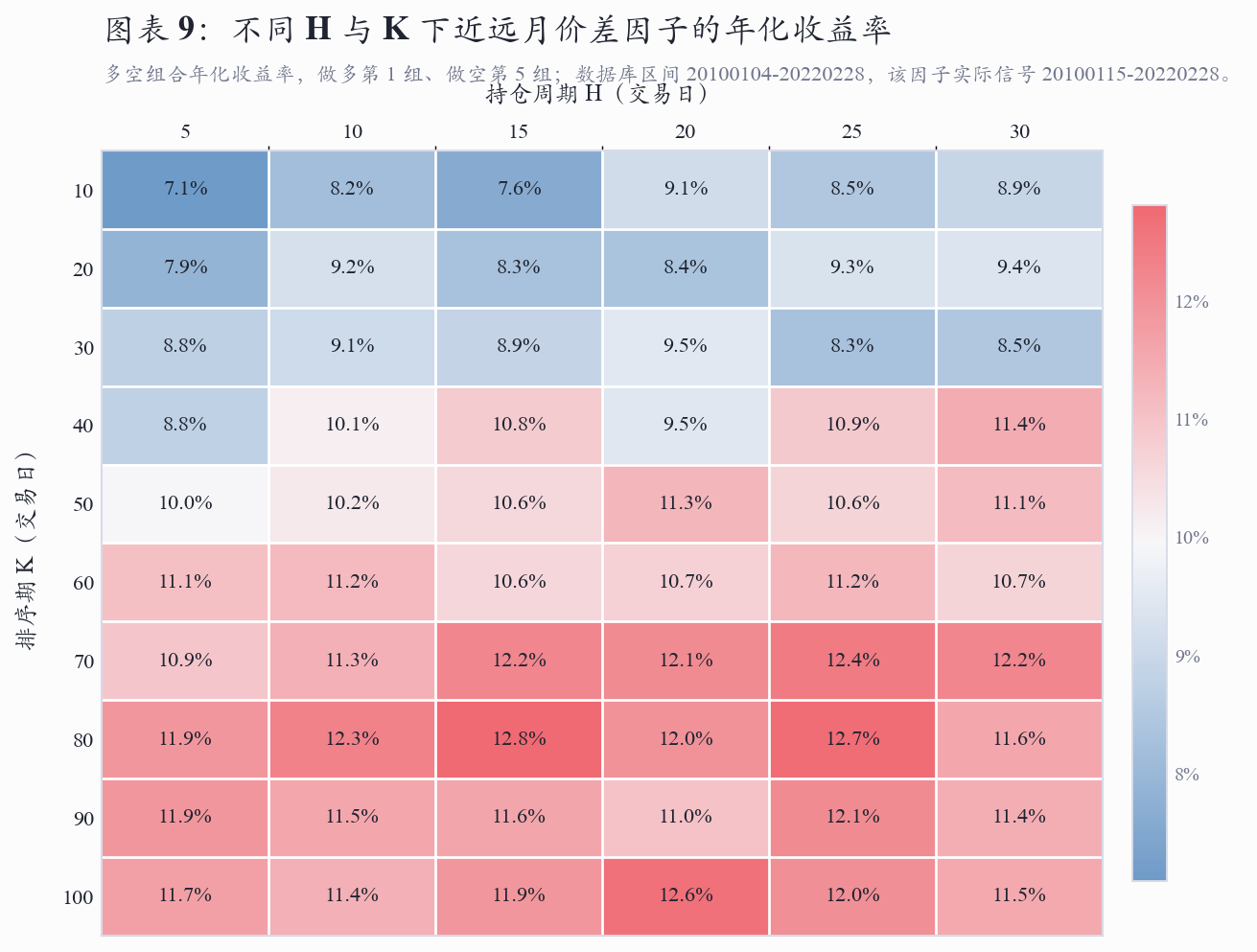
| Main/sub-main carry, K=90 | 9.5% | 7.0% | -11.9% | 1.35 |
| Front/next carry, K=90 | 13.0% | 7.1% | -9.1% | 1.84 |
| Spot/main basis, K=50 | 8.1% | 6.4% | -11.5% | 1.27 |
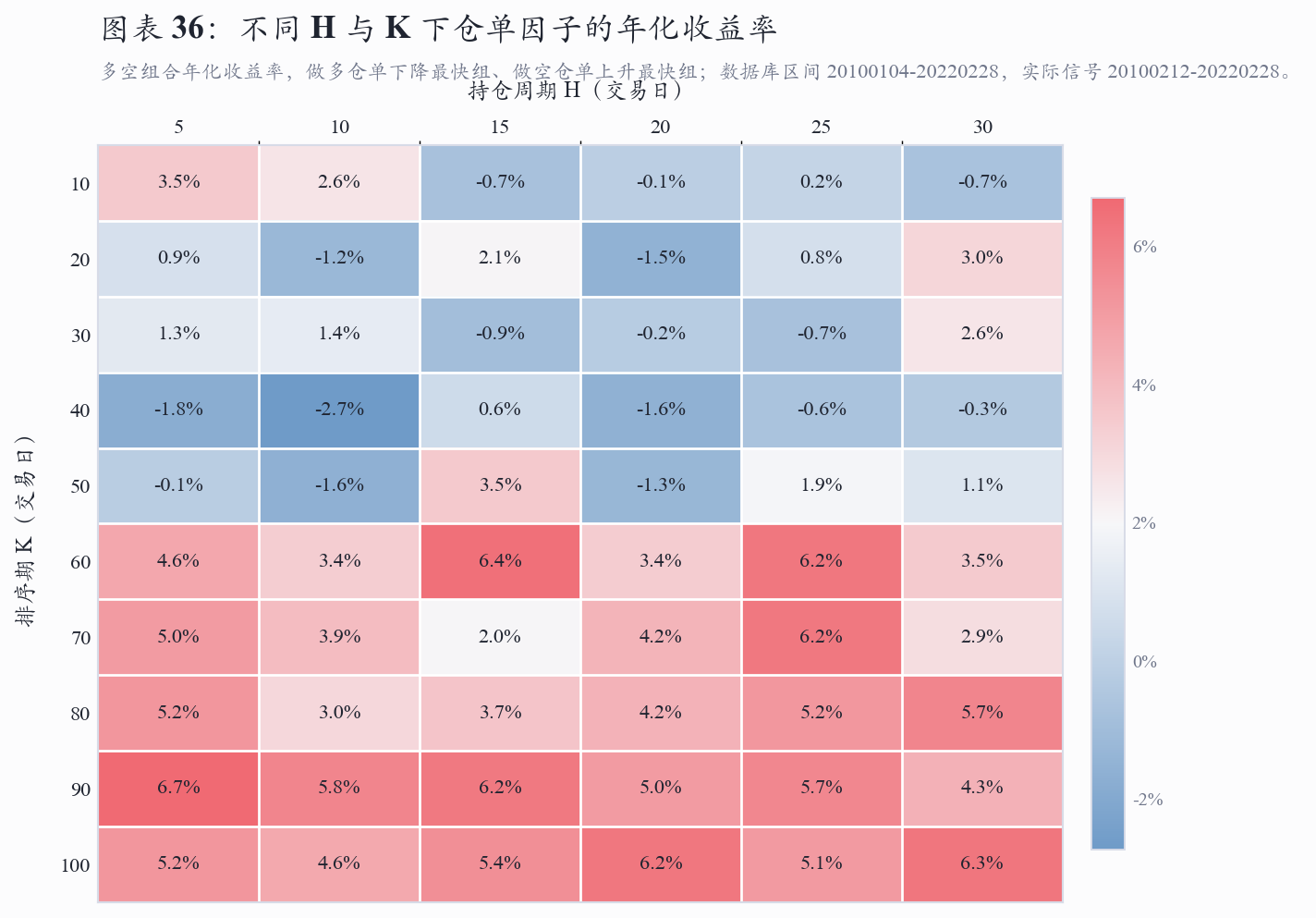
| Warehouse receipts, K=90 | 6.2% | 7.7% | -15.4% | 0.81 |
Gross historical backtests. Transaction costs, slippage, financing, capacity, price limits, and roll execution are not modelled.
Interpret carefully
Replication evidence, not an investment claim
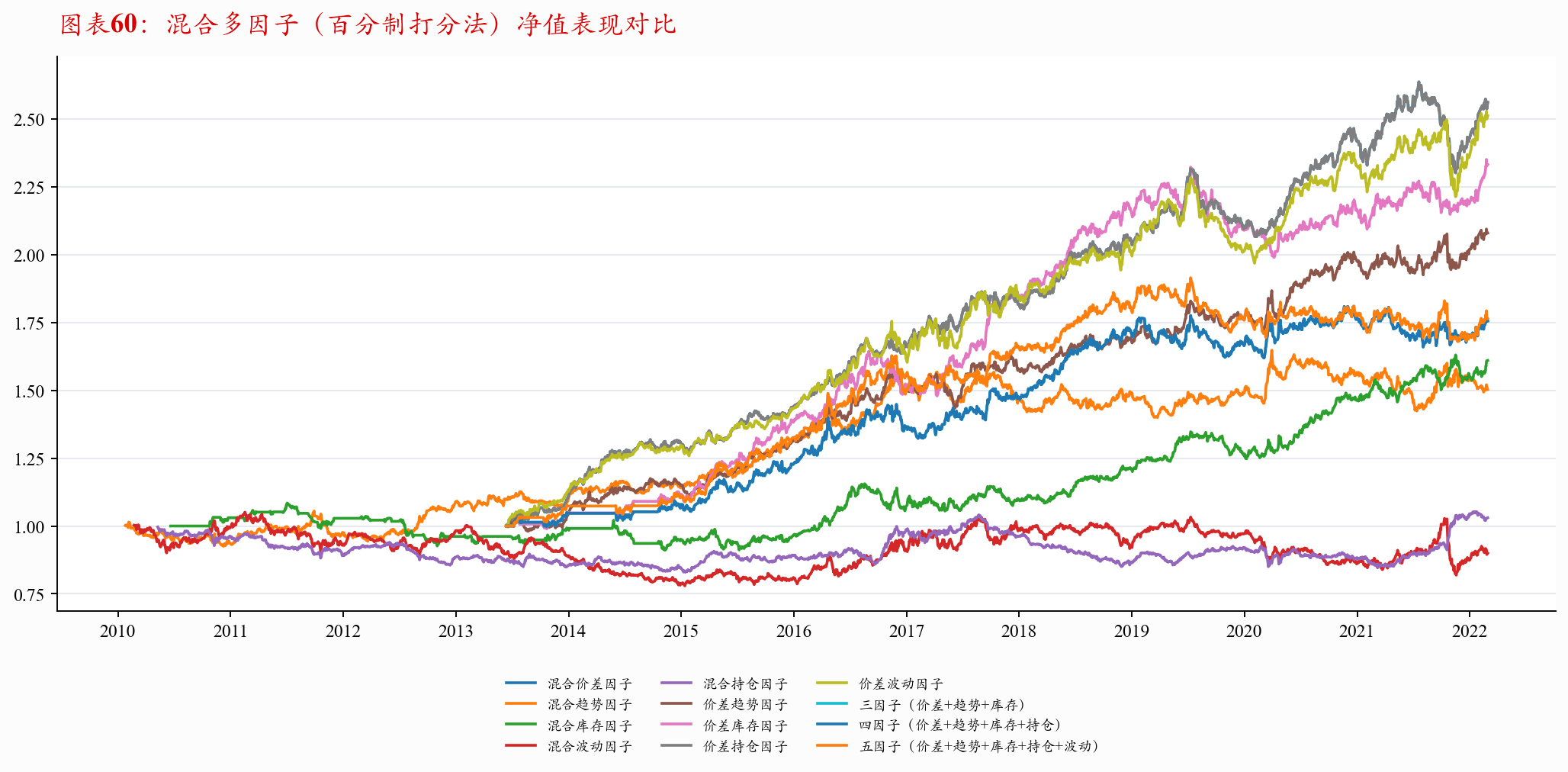
Vendor coverage, contract mapping, spot coverage, warehouse receipts, and main-contract rules are local approximations. Some multi-factor components are unavailable and are marked as missing instead of inferred.
Read all limitationsPublic package
- Tested research modules and synthetic tests
- Local data contract and database schema
- Aggregate tables and author-generated figures
- Author's Chinese supplementary report